
Private tours give you a flexible route, dedicated arrangements and time shaped around your party rather than a fixed group schedule.
Table of Contents
Explore our private itineraries.
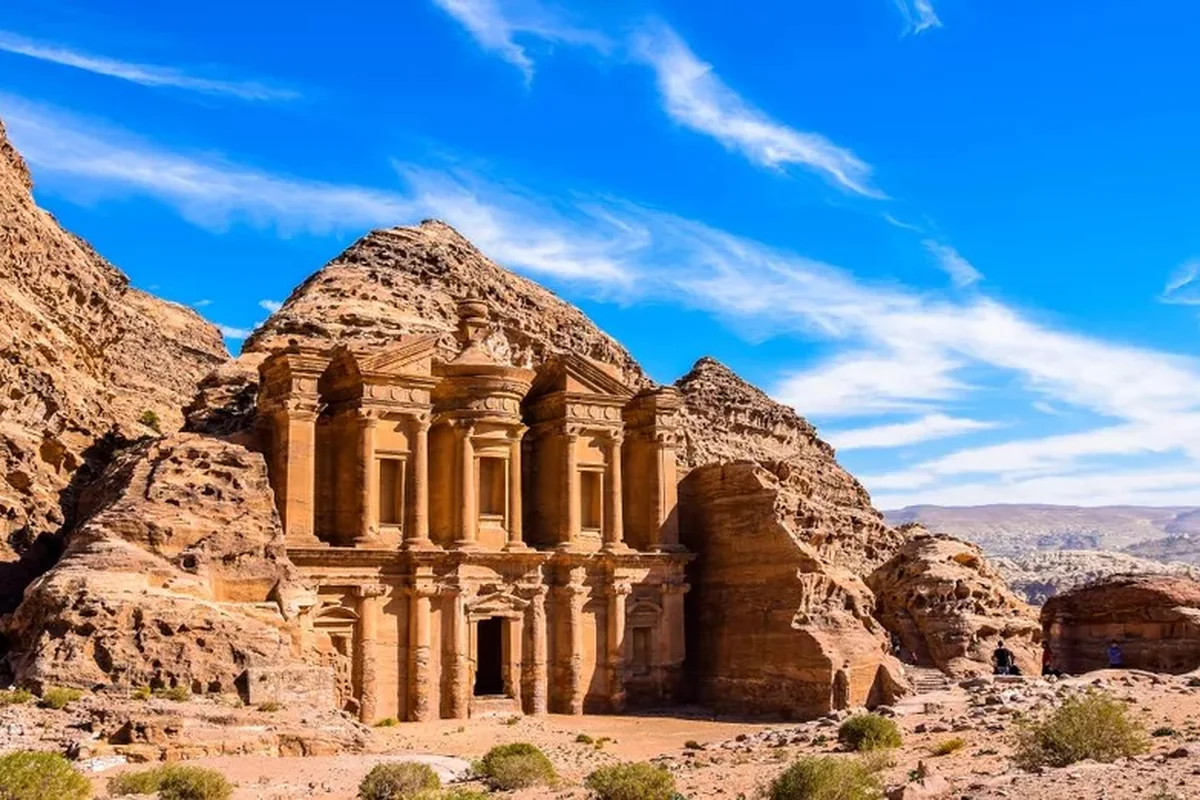
Jordan: Petra, Wadi Rum and the Dead Sea · 5 days
A 5-day private Jordan itinerary with historic sites, desert stays and time by the water.
View itinerary
Rwanda: Kigali and the forests · 5 days
A five-day outline linking Kigali’s history and art with forest experiences. Trekking arrangements are reviewed before confirmation.
View itinerary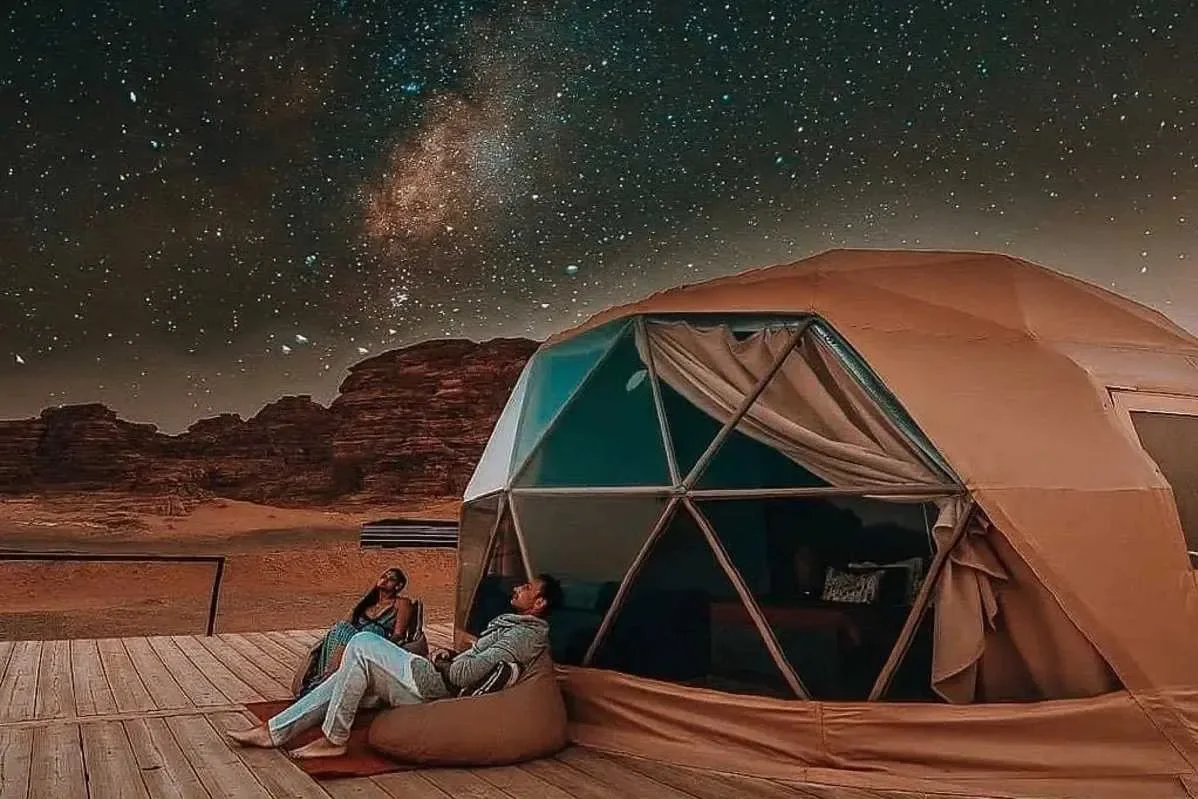
Jordan: a private introduction · 6 days
A 6-day private Jordan itinerary with historic sites, desert stays and time by the water.
View itinerary
Kenya: Mara, Nakuru and Amboseli · 6 days
A six-day safari outline connecting three distinct wildlife areas after a Nairobi start.
View itinerary
Kilimanjaro: the Marangu route · 6 days
A six-day Marangu trekking outline. Ask the local team to review the full ascent schedule, acclimatization and your experience.
View itinerary
Rwanda: culture and wildlife · 6 days
A six-day Rwanda outline with time for Kigali’s market, forest visits and the country’s conservation story.
View itinerary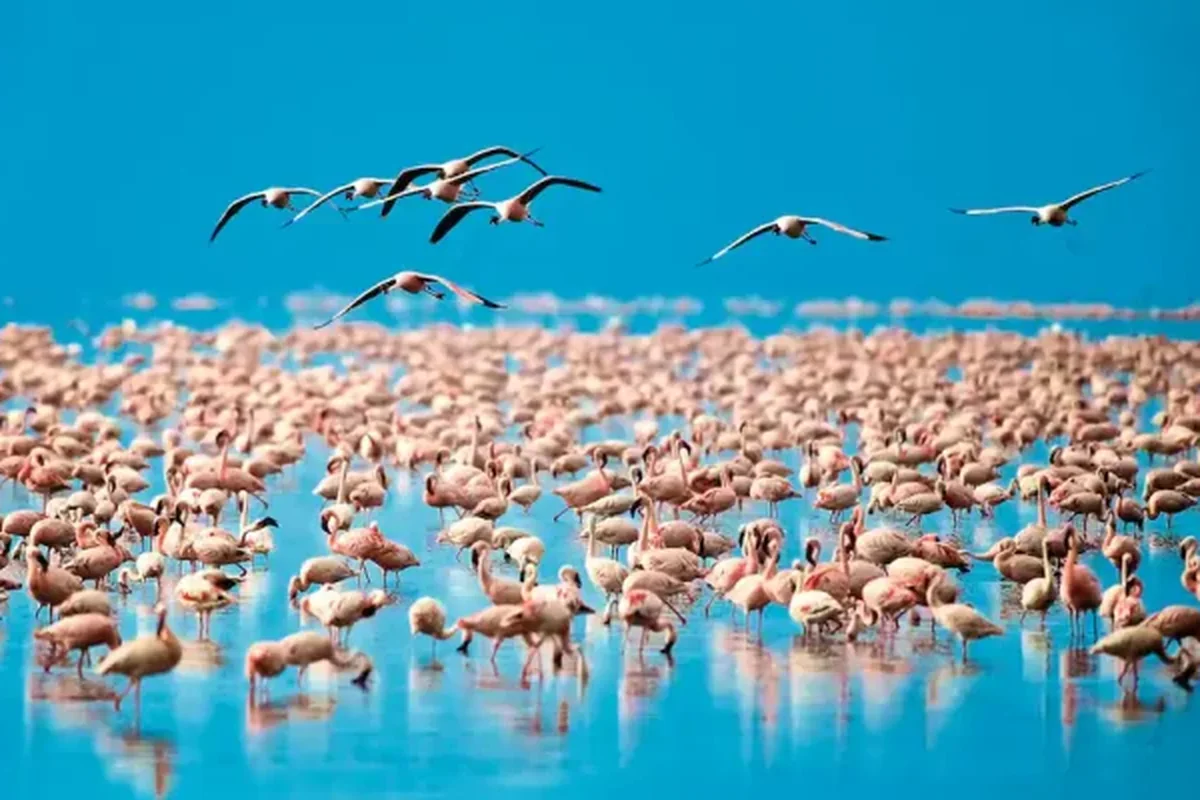
Tanzania: the northern safari circuit · 6 days
A six-day safari outline linking northern Tanzania’s parks and the Ngorongoro region.
View itinerary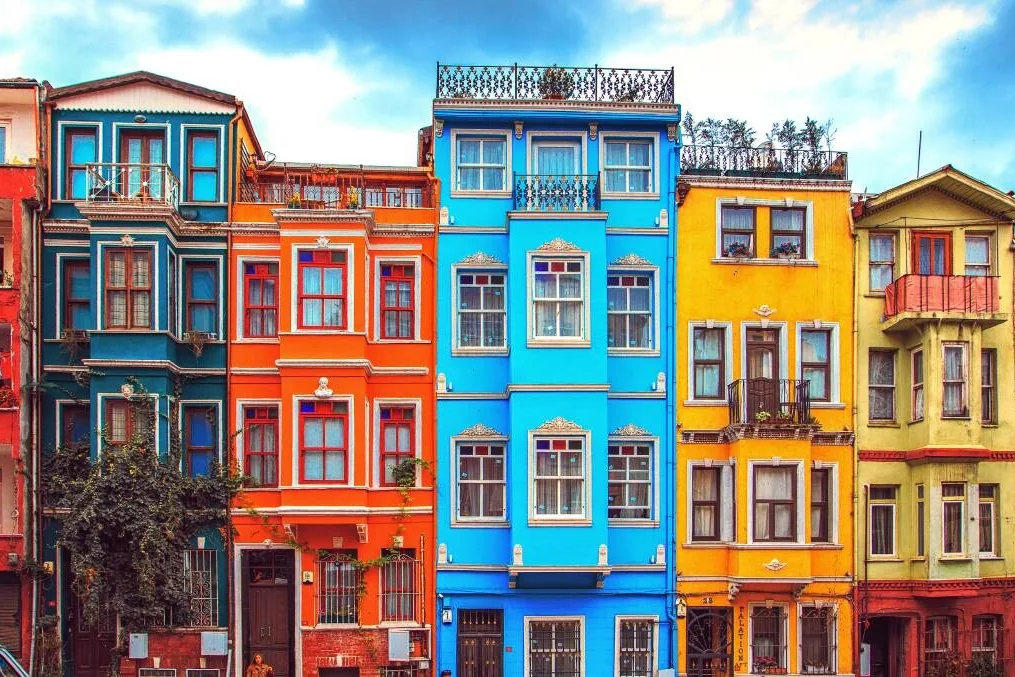
Turkey: Istanbul and Cappadocia · 6 days
Six days focused on Istanbul’s historic sites and waterways, followed by Cappadocia’s valleys.
View itinerary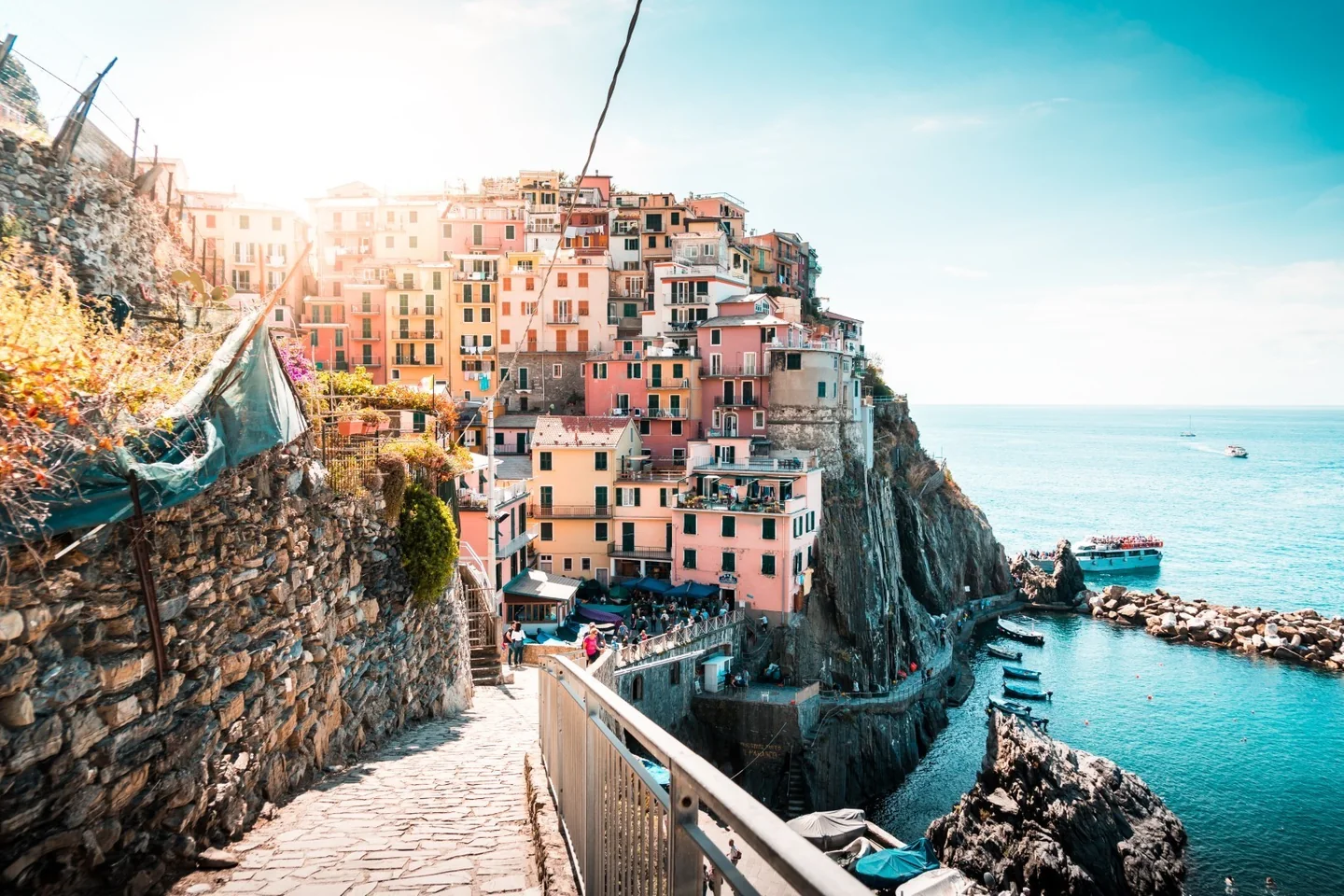
A week in Rome, Florence and Venice · 7 days
A seven-day introduction to Italy’s classic cities, with a Florence food experience and a taste of Tuscany.
View itinerary
Egypt in a week: Cairo and the Nile · 7 days
A week combining the pyramids with Nile sailing and the temple sites around Luxor, Edfu and Aswan.
View itinerary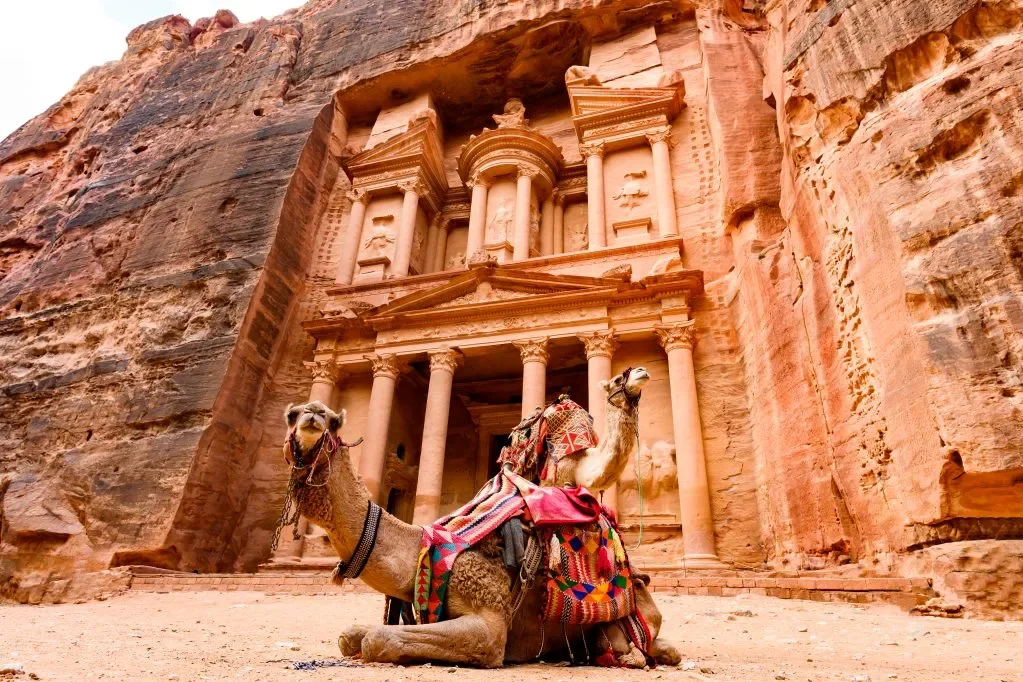
Jordan: ancient cities and desert · 7 days
A 7-day private Jordan itinerary with historic sites, desert stays and time by the water.
View itinerary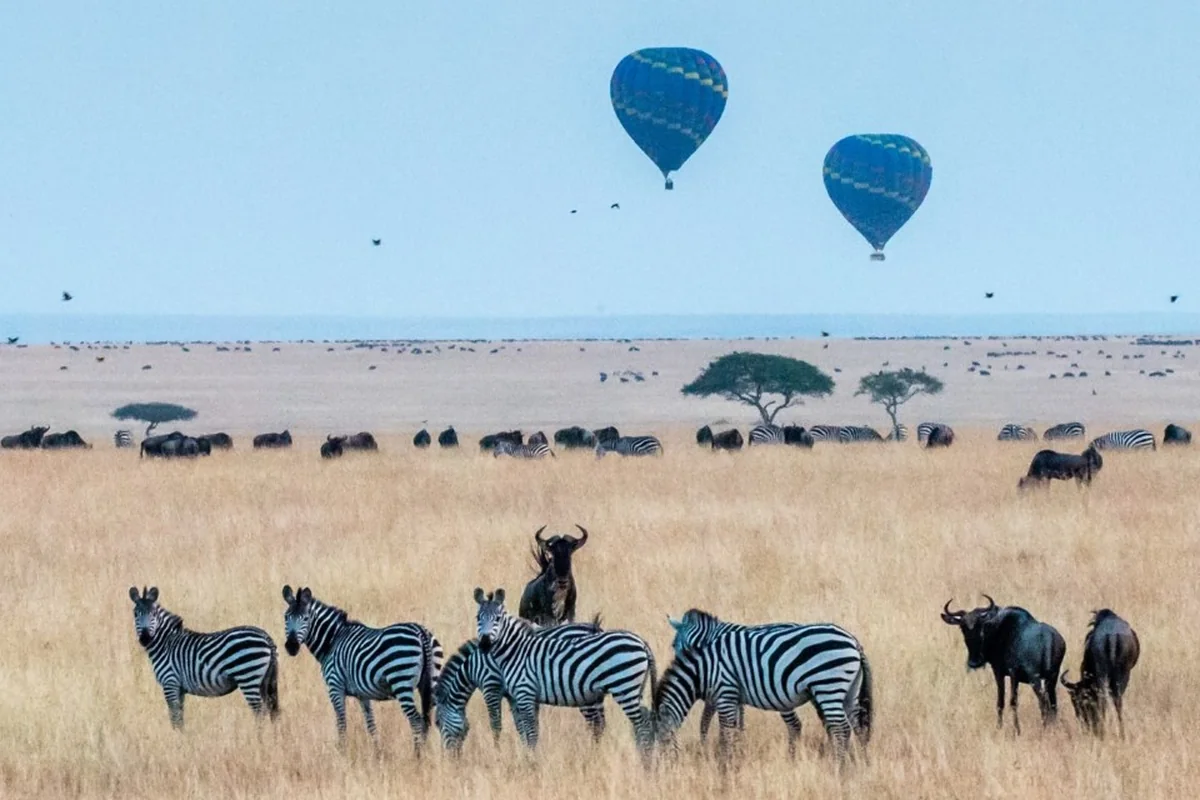
Kenya: safari and the Rift Valley lakes · 7 days
A week combining safari time with lakes, birdlife and an optional walking or cycling experience.
View itinerary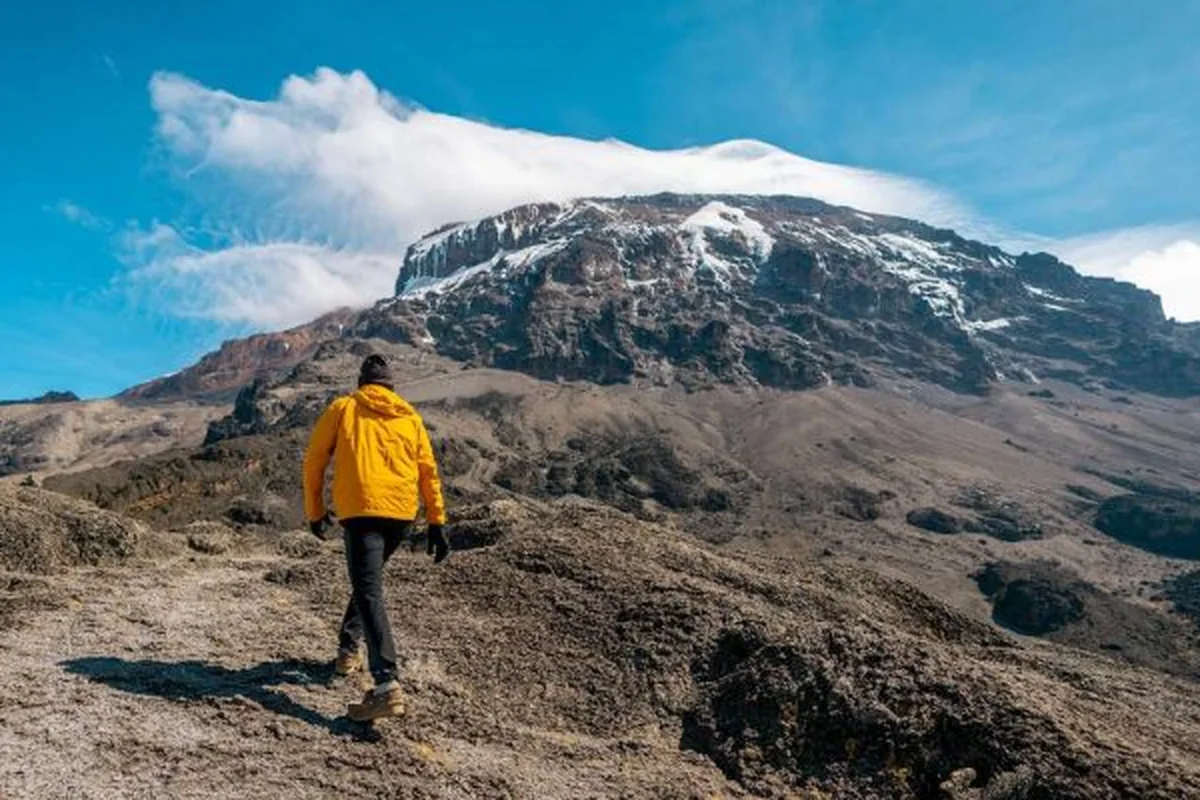
Kilimanjaro: the Machame route · 7 days
A seven-day Machame trekking outline. The team will review the detailed route and acclimatization plan before confirmation.
View itinerary
Marrakech and the Sahara · 7 days
A 7-day private Morocco itinerary with old cities, mountain roads and Sahara time.
View itinerary
Spain: Seville, Madrid and Barcelona · 7 days
Seven days linking Andalusian architecture with Madrid and Barcelona, including food experiences along the way.
View itinerary
Tanzania: Serengeti and Zanzibar · 7 days
A week divided between safari time in the Serengeti and a stay beside the Indian Ocean.
View itinerary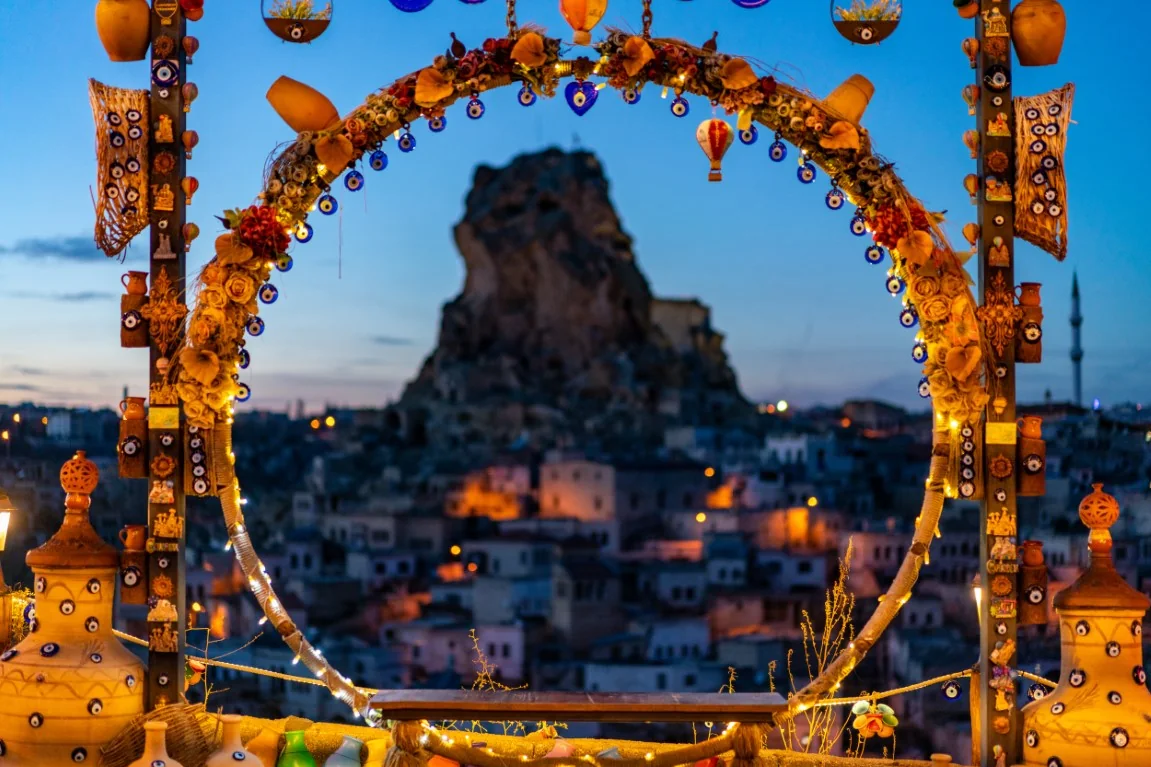
Turkey: valleys and ancient cities · 7 days
A week connecting city visits, Cappadocia and major archaeological sites in western Turkey.
View itinerary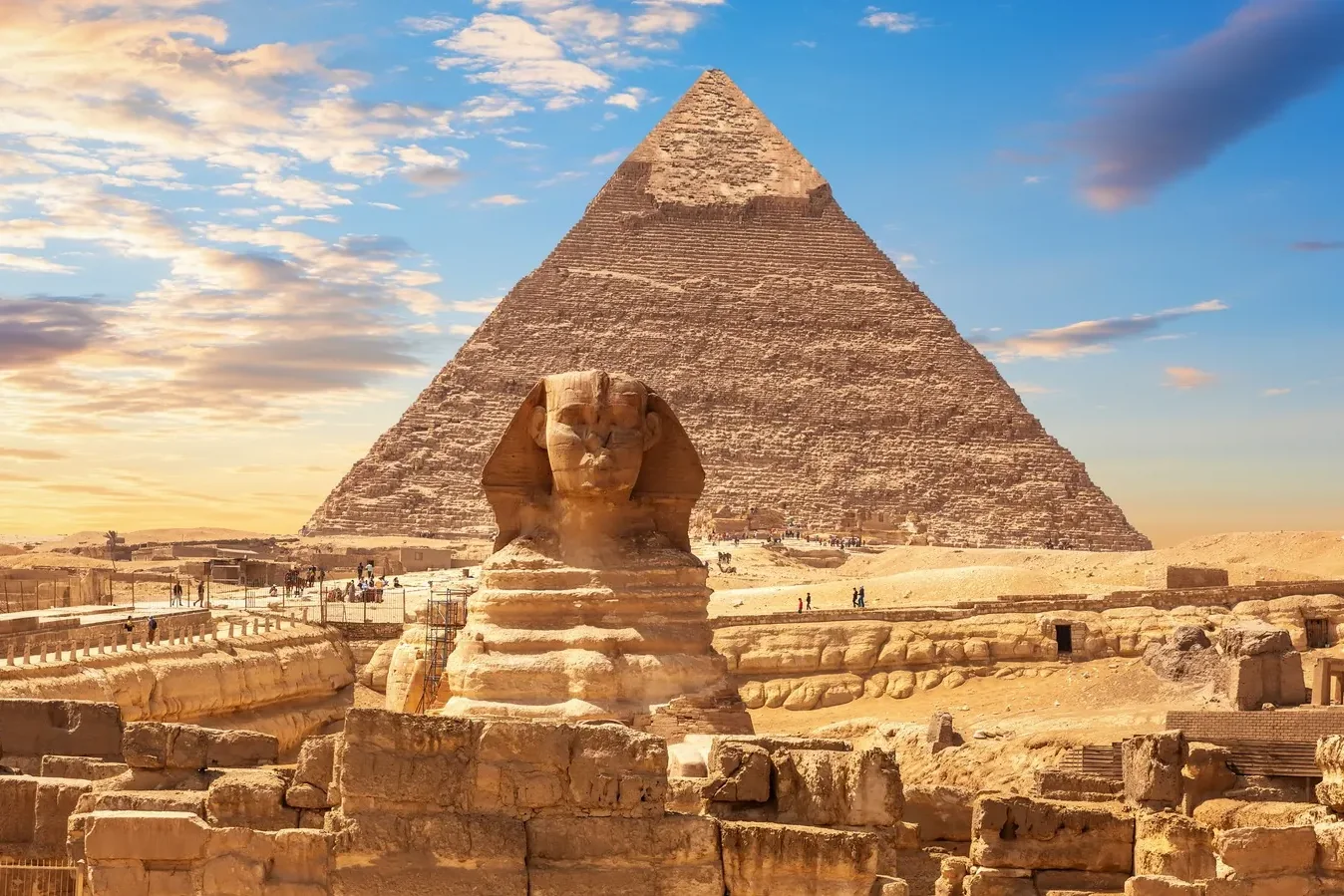
Egypt: Cairo and a Nile cruise · 8 days
An 8-day private Egypt itinerary with Cairo visits and Nile travel.
View itinerary
Imperial cities and the Sahara · 8 days
An 8-day private Morocco itinerary with old cities, mountain roads and Sahara time.
View itinerary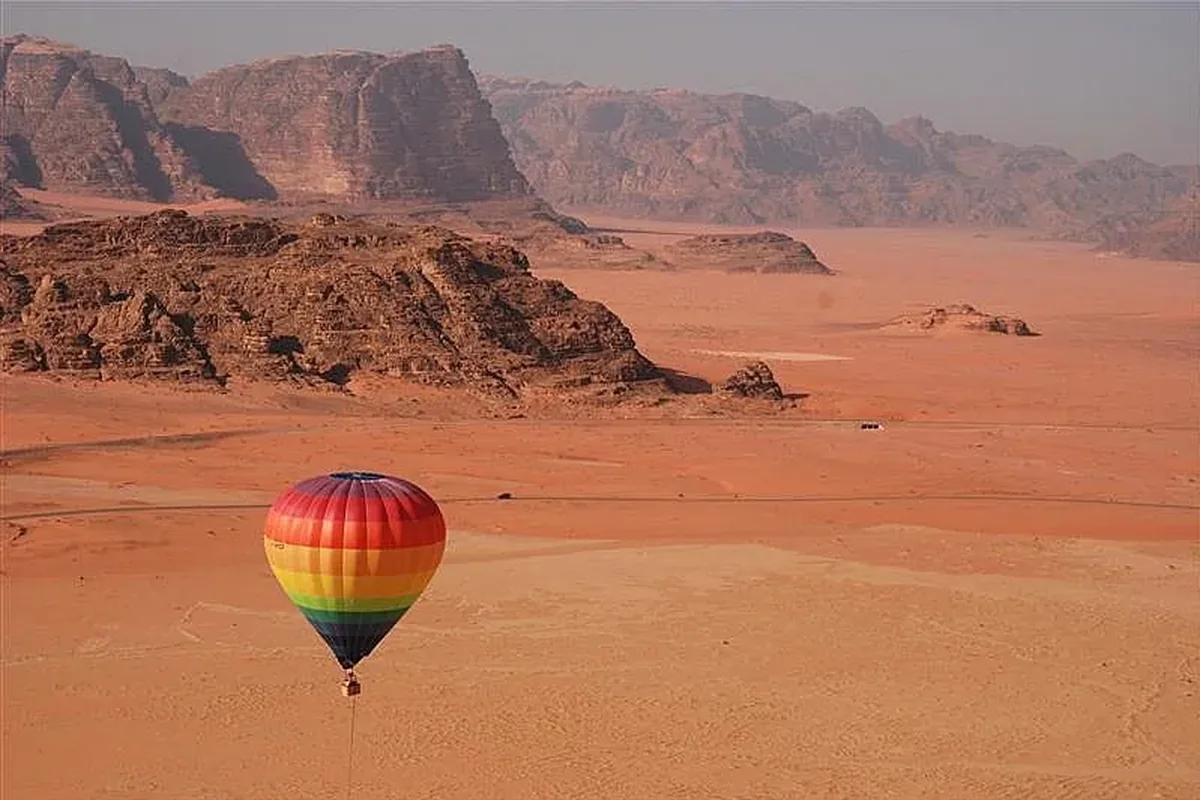
Jordan: heritage and the Red Sea · 8 days
An 8-day private Jordan itinerary with historic sites, desert stays and time by the water.
View itinerary
Kenya: Lake Victoria and Maasai Mara · 8 days
An eight-day outline combining Lake Victoria’s islands and lakeside life with safari time in Maasai Mara.
View itinerary
Turkey: Istanbul, Cappadocia and the Aegean · 8 days
Eight days bringing together Istanbul’s monuments, western archaeological sites and Cappadocia.
View itinerary
Egypt: Cairo, Luxor and Aswan · 9 days
A 9-day private Egypt itinerary with Cairo visits and Nile travel.
View itinerary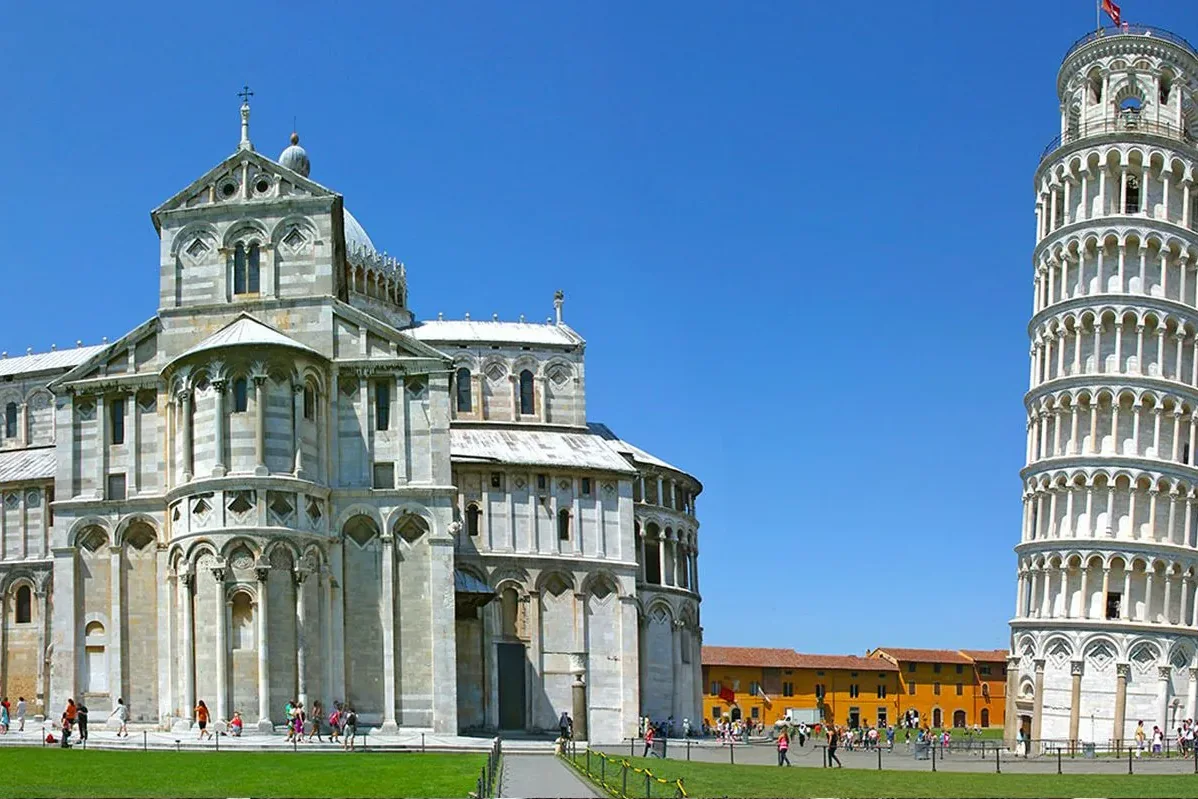
Italy: Rome, Tuscany and Venice · 9 days
A 9-day private Italy itinerary with city visits, art and regional food.
View itinerary
Jordan: Petra, Aqaba and the Dead Sea · 9 days
A 9-day private Jordan itinerary with historic sites, desert stays and time by the water.
View itinerary
Morocco: cities, valleys and desert · 9 days
A 9-day private Morocco itinerary with old cities, mountain roads and Sahara time.
View itinerary
Spain: food, art and historic cities · 9 days
A nine-day outline pairing Spanish cities with food walks, flamenco and major architectural sites.
View itinerary
Tanzania: safari with more time outdoors · 9 days
Nine days for a safari outline with cultural visits and time in the northern wildlife areas.
View itinerary
Egypt: pyramids, temples and the Nile · 10 days
Ten days for Cairo and a Nile route with temple visits, including Abu Simbel.
View itinerary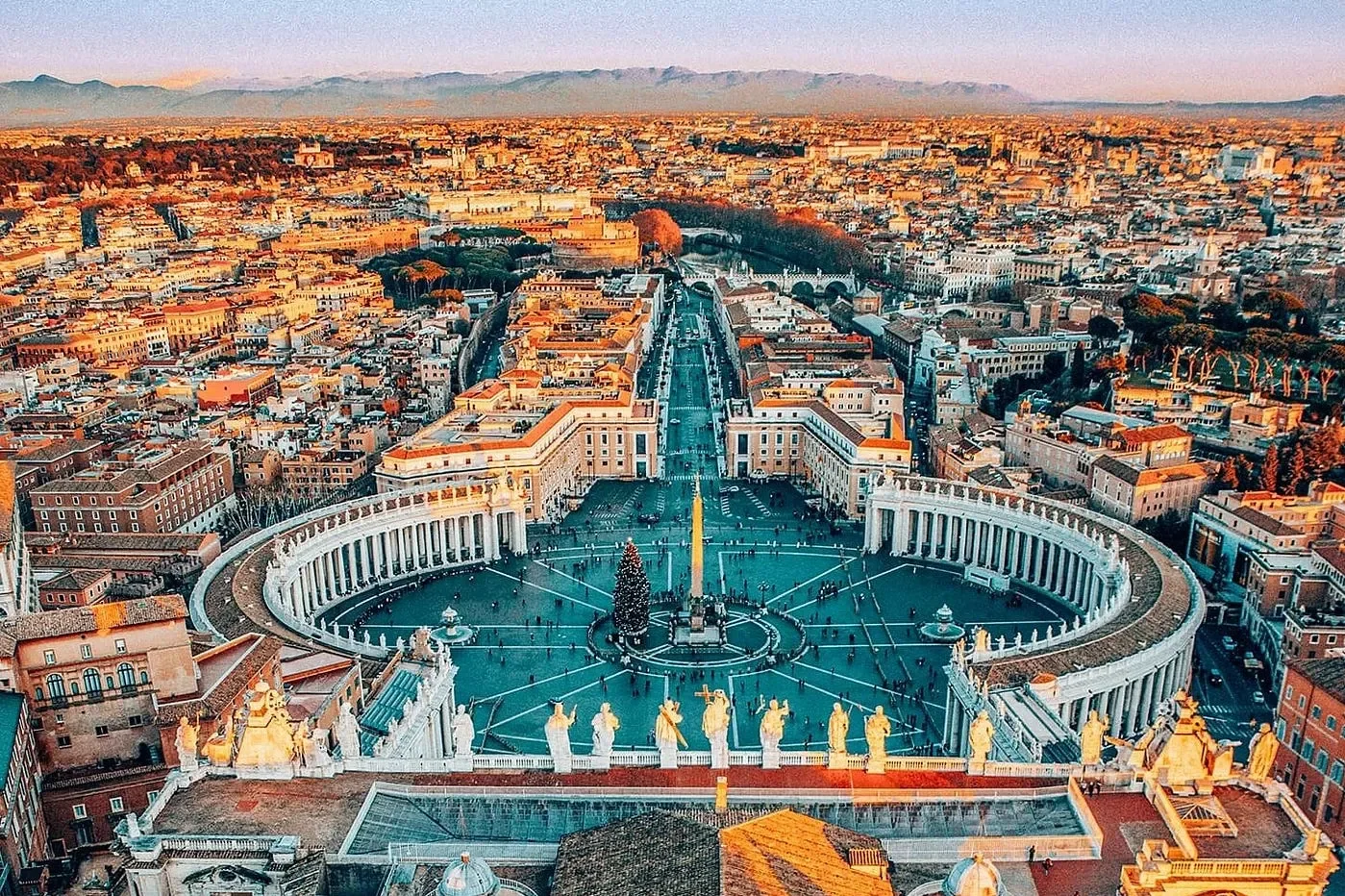
Italy: classic cities and Tuscan food · 10 days
A 10-day private Italy itinerary with city visits, art and regional food.
View itinerary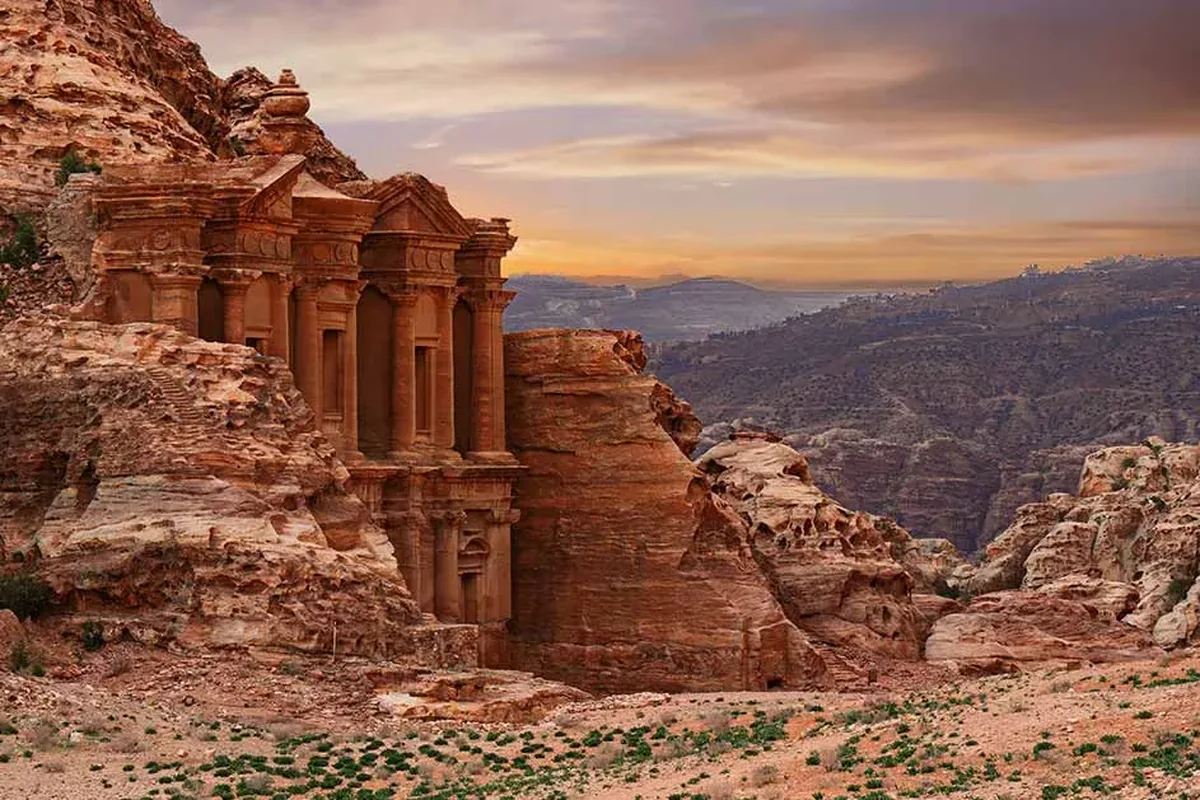
Jordan: desert and coastal days · 10 days
A 10-day private Jordan itinerary with historic sites, desert stays and time by the water.
View itinerary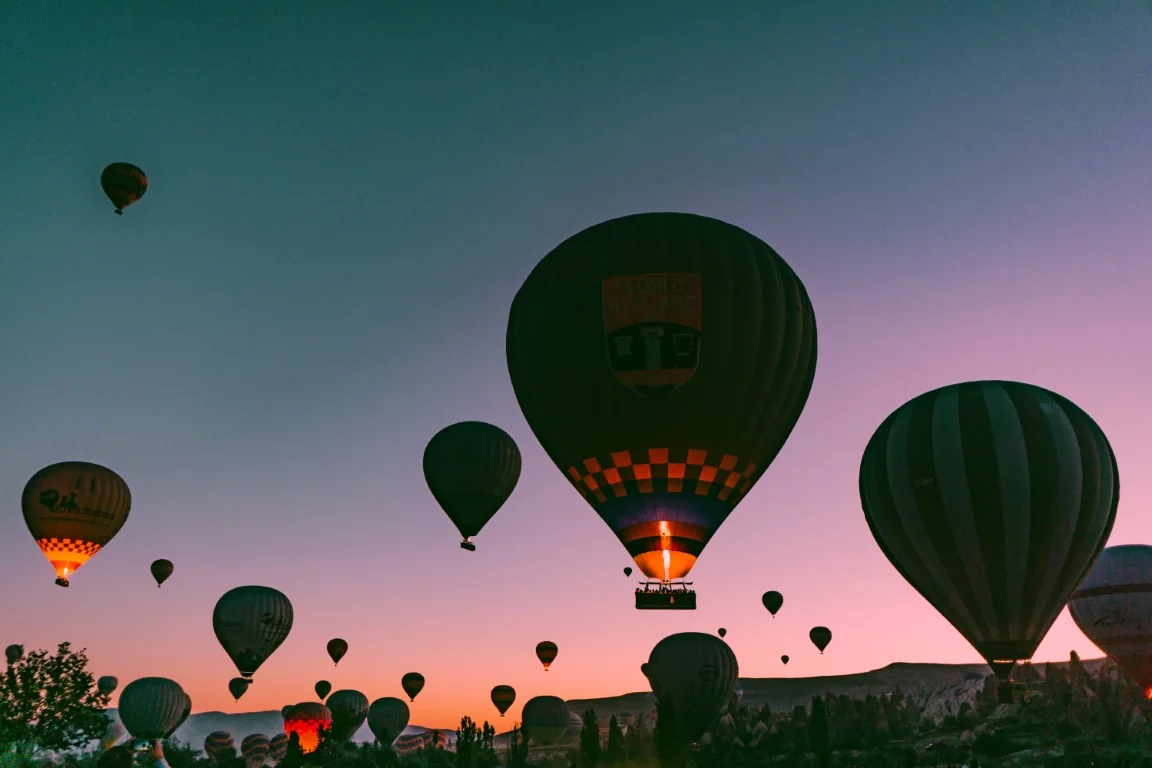
Kenya: wildlife and Rift Valley scenery · 10 days
Ten days for a broader Kenya outline, combining wildlife areas, lakes and views across the Rift Valley.
View itinerary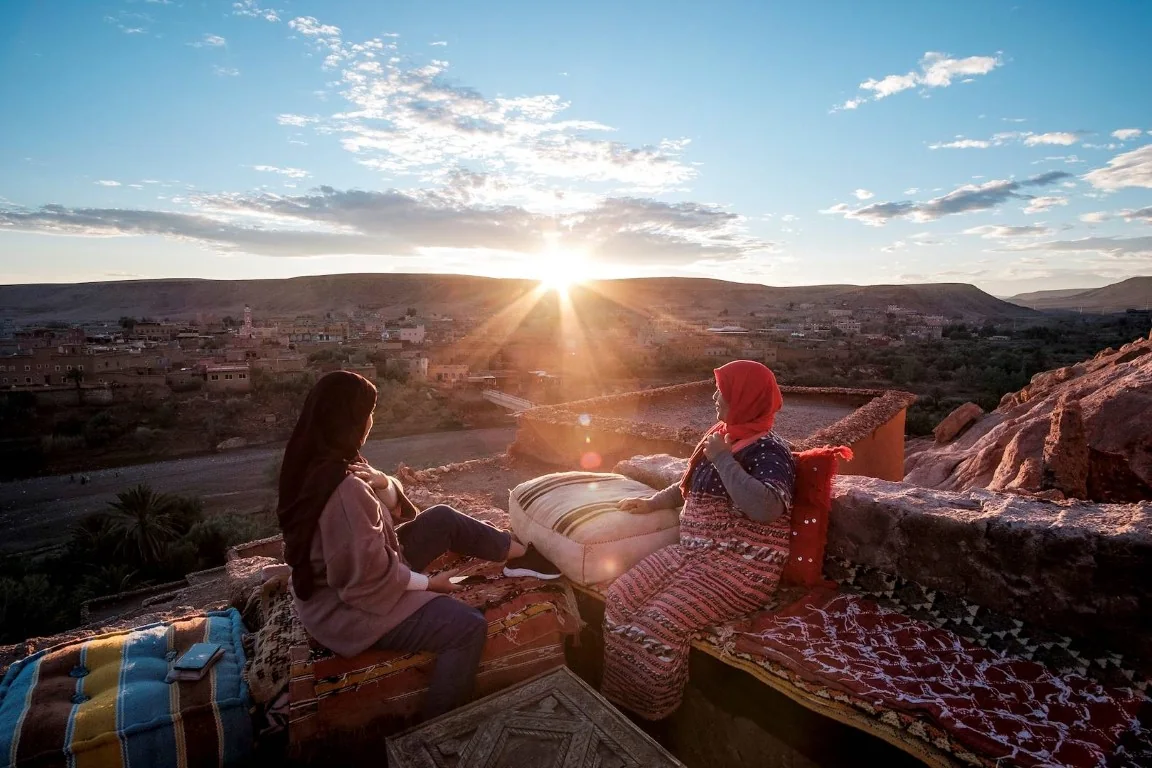
Morocco: blue city and desert · 10 days
A 10-day private Morocco itinerary with old cities, mountain roads and Sahara time.
View itinerary
Rwanda and Uganda: forests and wildlife · 10 days
A cross-border outline combining Rwanda and Uganda, with forest trekking and wildlife experiences subject to permits.
View itinerary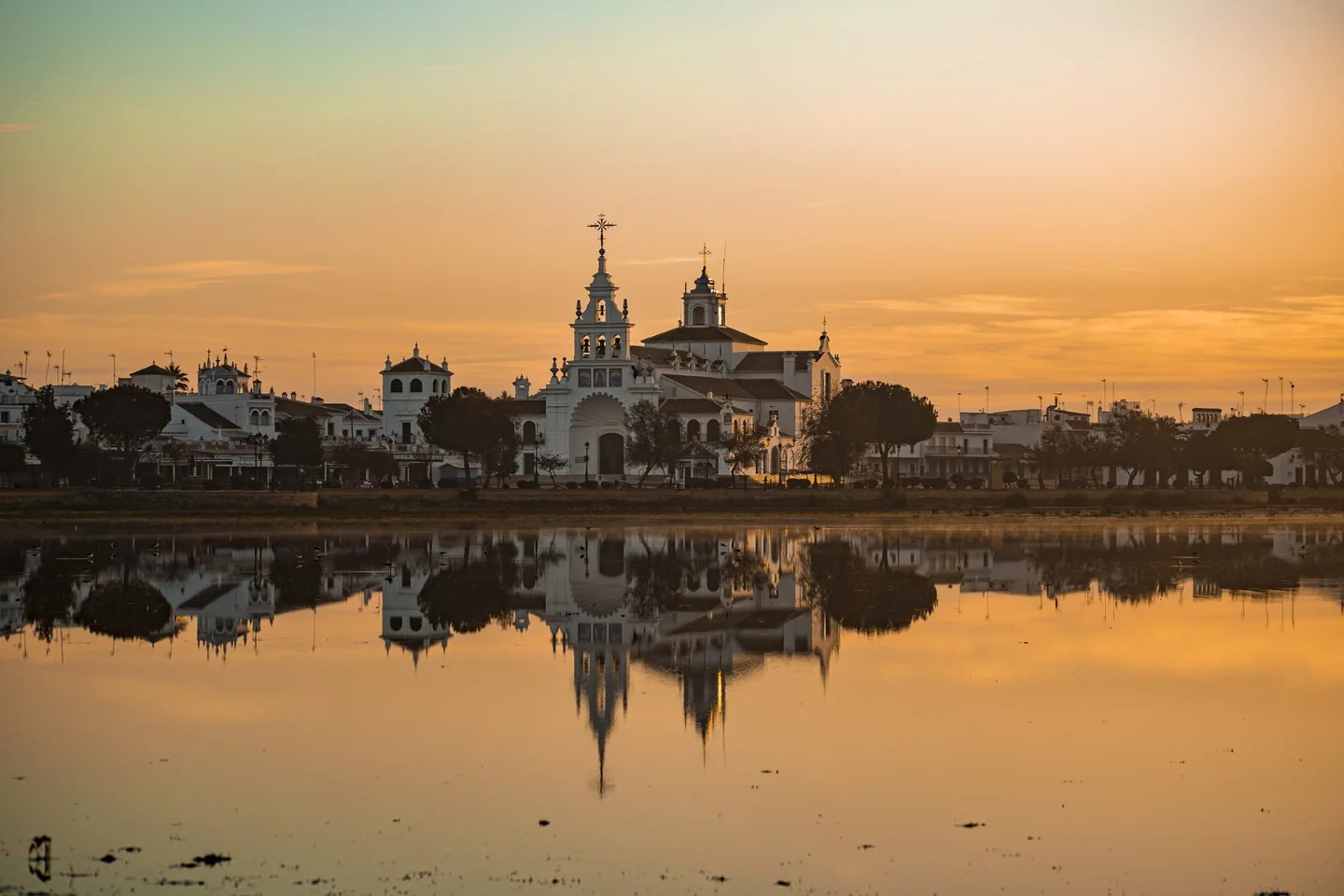
Spain: Madrid and the cities of Andalusia · 10 days
Ten days to discuss the Prado, Andalusian cities and the Alhambra, with time for local food.
View itinerary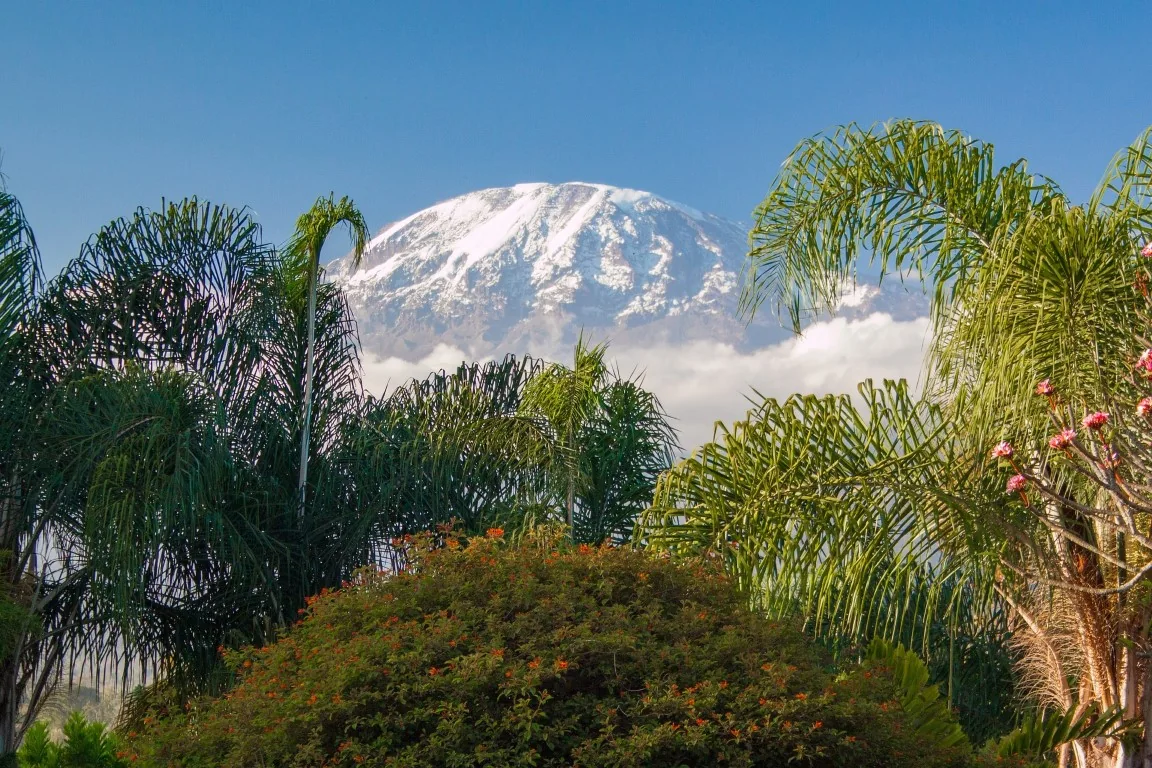
Tanzania: safari parks and Zanzibar · 10 days
Ten days combining northern safari areas with Stone Town and coastal time on Zanzibar.
View itinerary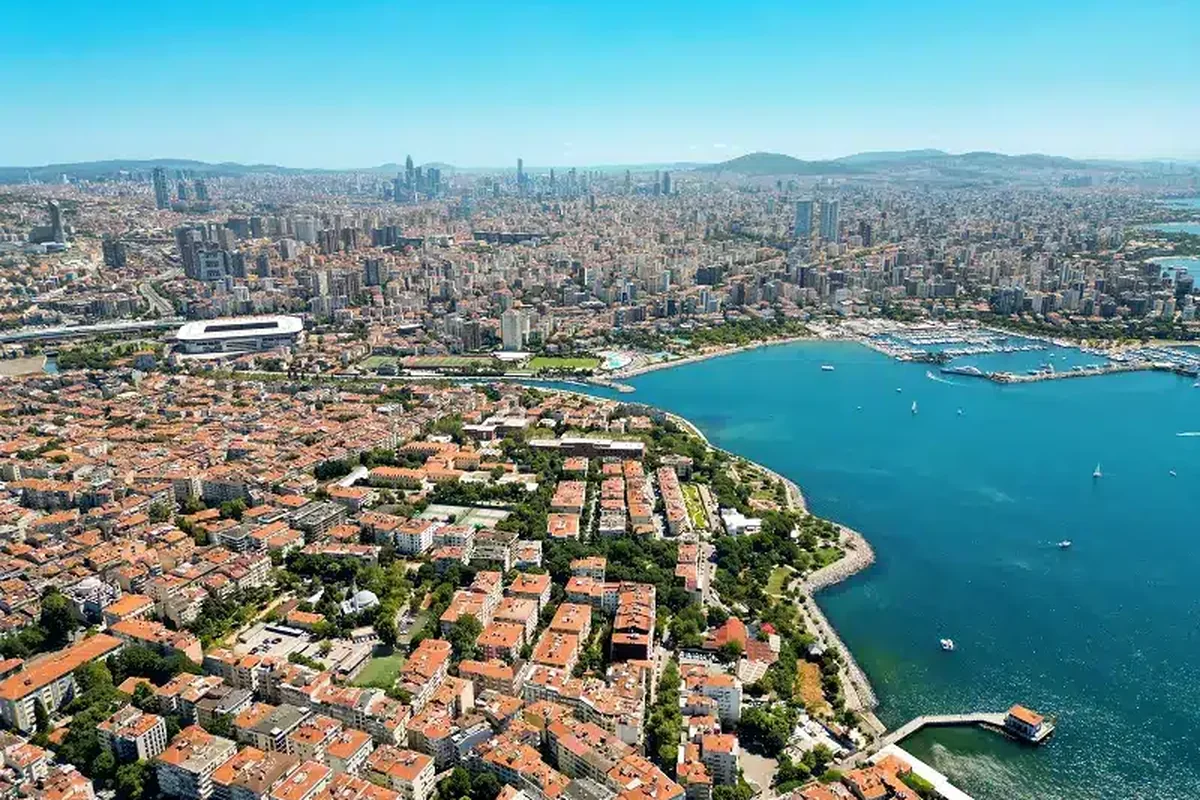
Turkey: Istanbul, Cappadocia and Ephesus · 10 days
A 10-day private Turkey itinerary with historic cities, valleys and archaeological sites.
View itinerary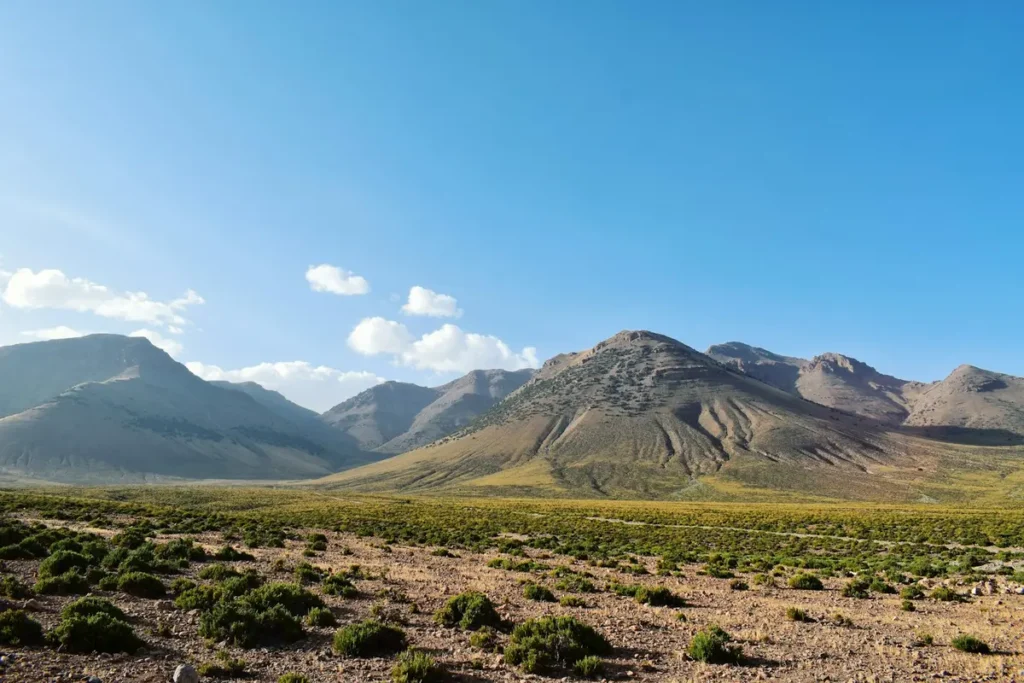
Morocco with an Atlas day trip · 11 days
An 11-day private Morocco itinerary with old cities, mountain roads and Sahara time.
View itinerary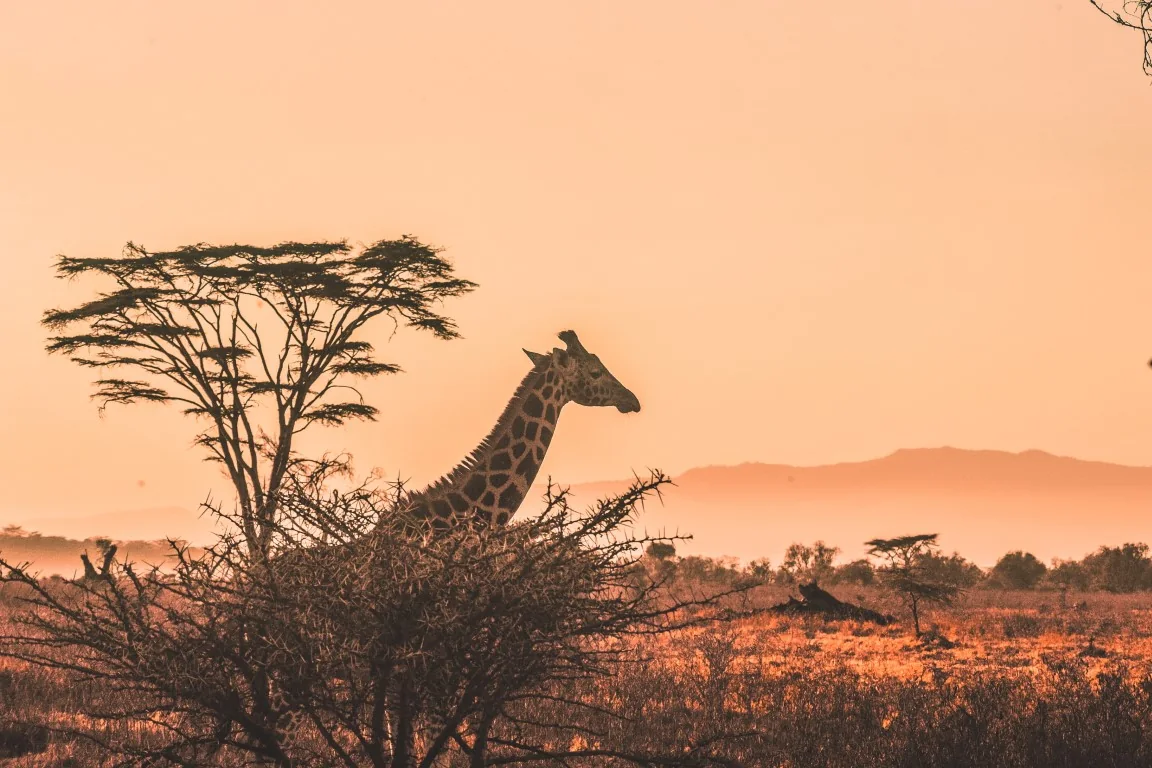
Tanzania: Kilimanjaro and safari · 11 days
An eleven-day outline combining trekking and safari. The climb schedule and suitability require a separate review with the local team.
View itinerary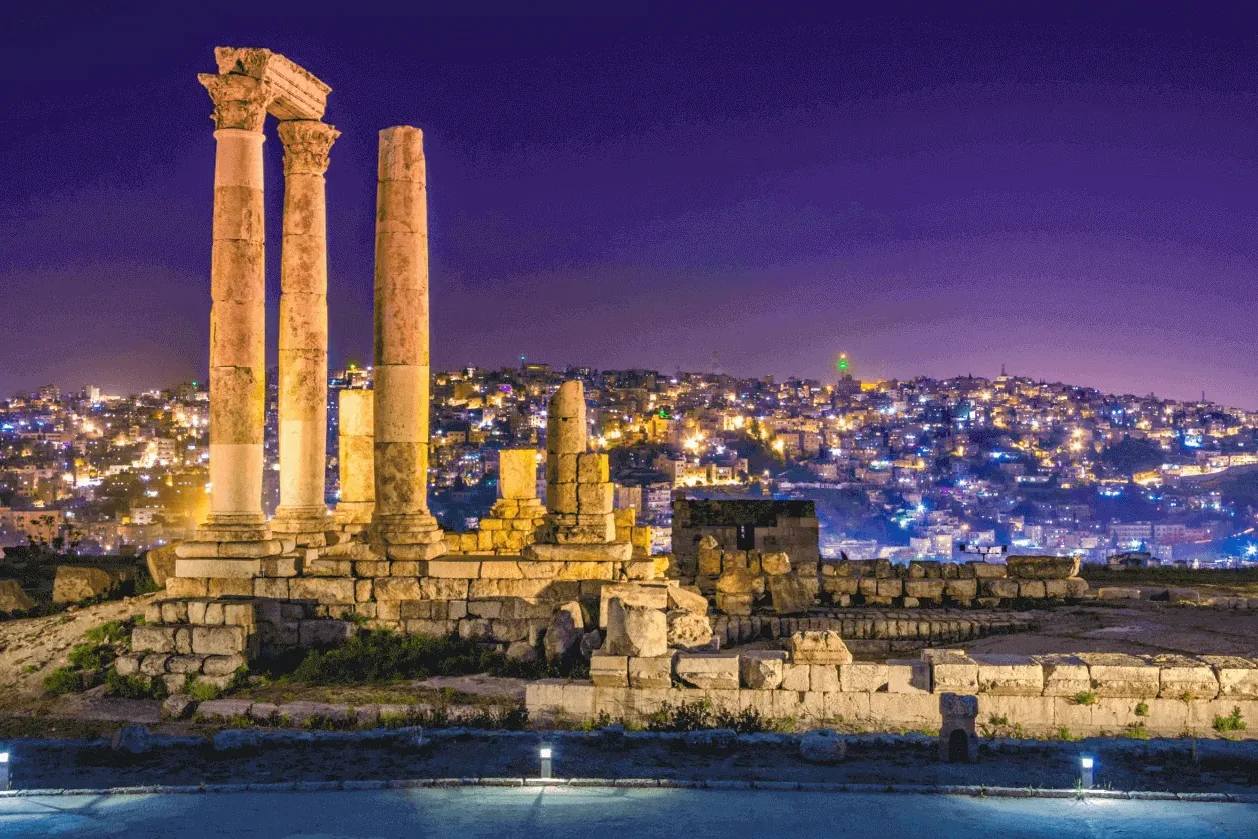
Jordan: a slower route through the country · 12 days
A 12-day private Jordan itinerary with historic sites, desert stays and time by the water.
View itinerary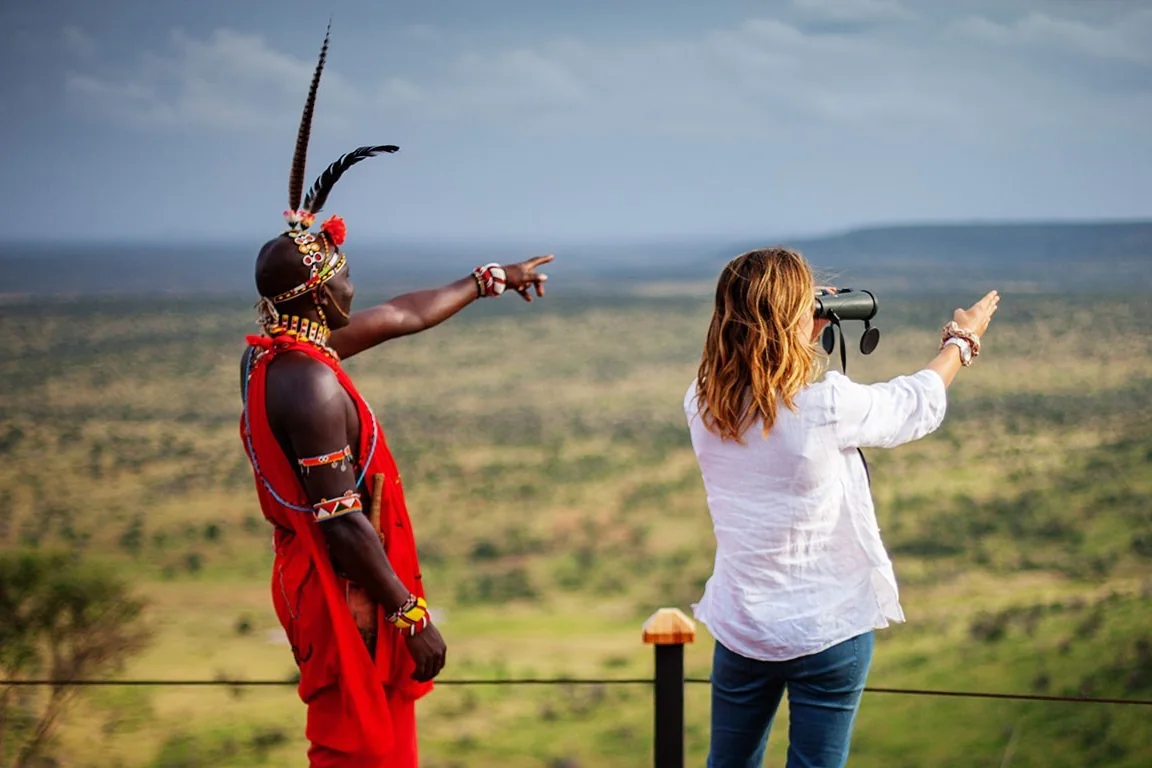
Kenya: safari and Diani Beach · 12 days
A longer Kenya outline linking wildlife and conservation experiences with time on the Indian Ocean coast.
View itinerary
Morocco with time in Chefchaouen · 12 days
A 12-day private Morocco itinerary with old cities, mountain roads and Sahara time.
View itinerary
Spain: a family route through the cities · 12 days
A family-oriented outline with city visits and experiences in the Andalusian countryside.
View itinerary
Turkey: history across regions · 12 days
A broad twelve-day Turkey outline with multiple regions. Travel connections and current arrangements are reviewed before offering this route.
View itinerary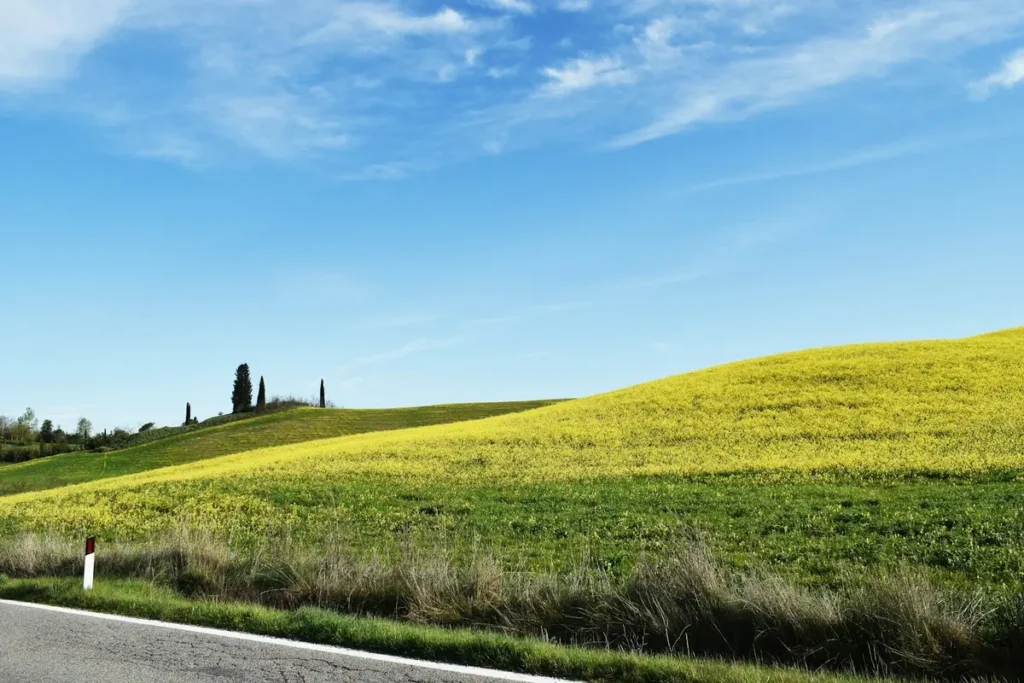
Tuscany at a slower pace · 12 days
Twelve days focused on Tuscany, with art, local food and cooking experiences across Florence and nearby towns.
View itinerary
Morocco: desert to the Atlantic · 13 days
A 13-day private Morocco itinerary with old cities, mountain roads and Sahara time.
View itinerary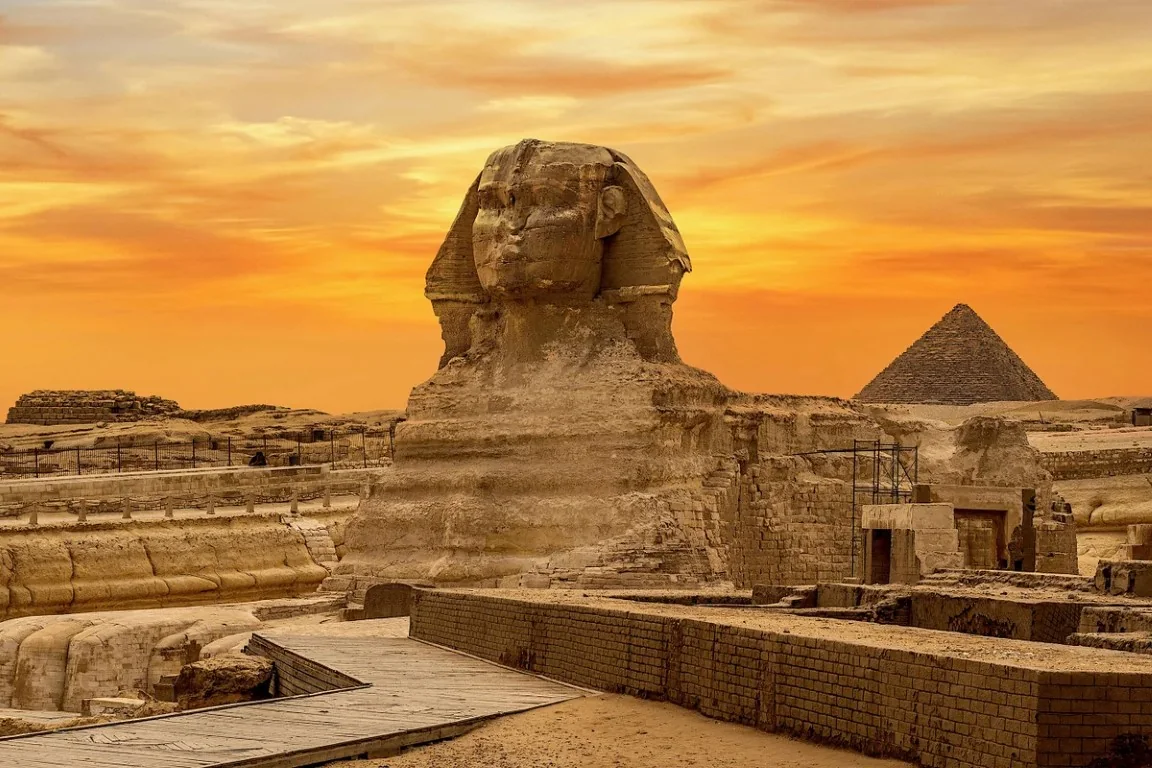
Egypt: the Nile, Alexandria and Siwa · 14 days
A longer Egypt outline that adds Alexandria and Siwa Oasis to the pyramids and Nile sites.
View itinerary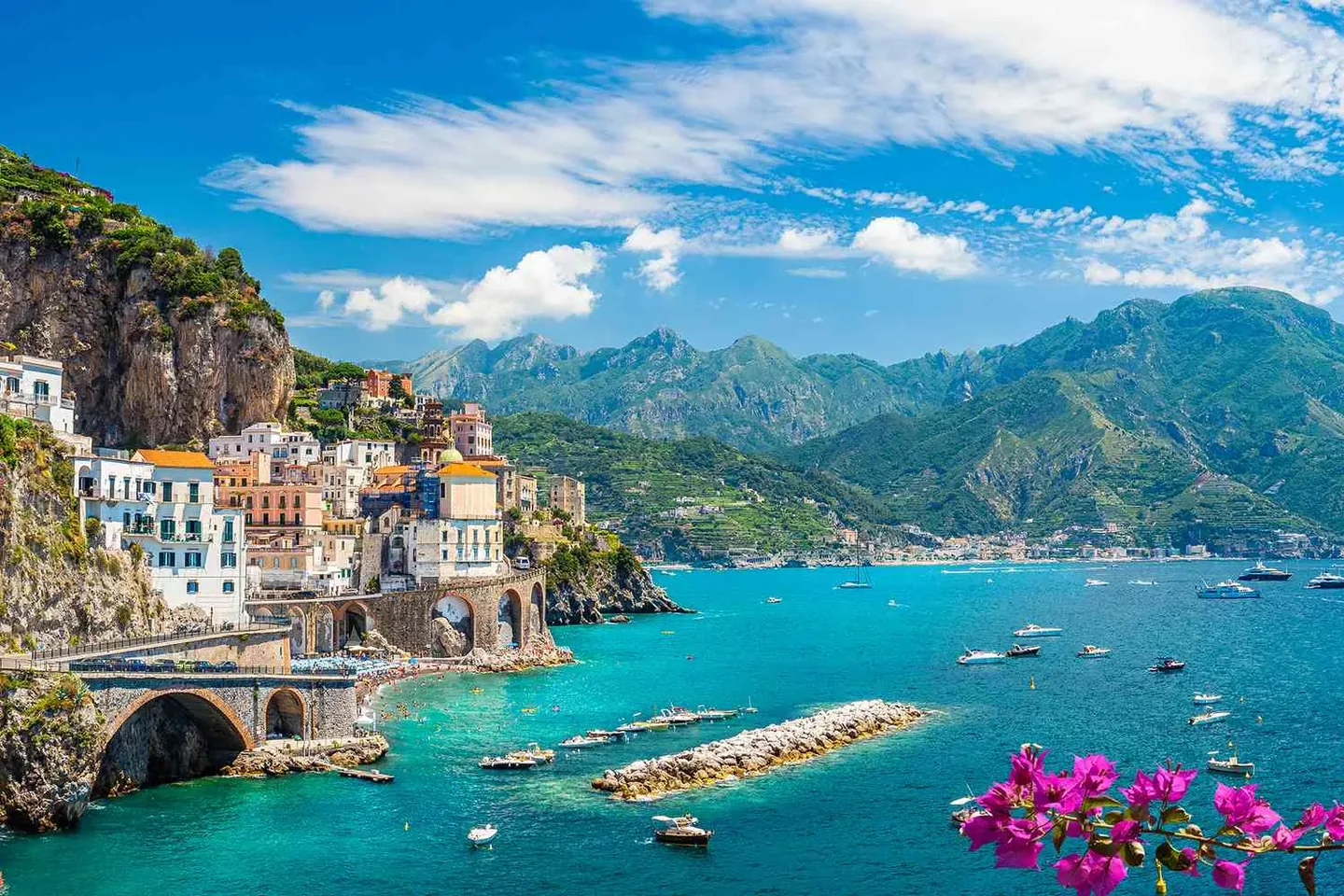
Italy: cities and the Amalfi Coast · 14 days
A 14-day private Italy itinerary with city visits, art and regional food.
View itinerary
Morocco: cities, desert and Essaouira · 14 days
A 14-day private Morocco itinerary with old cities, mountain roads and Sahara time.
View itinerary
Spain: Madrid and southern traditions · 14 days
Fourteen days for Madrid and southern Spain, including white villages, city walks and regional food.
View itinerary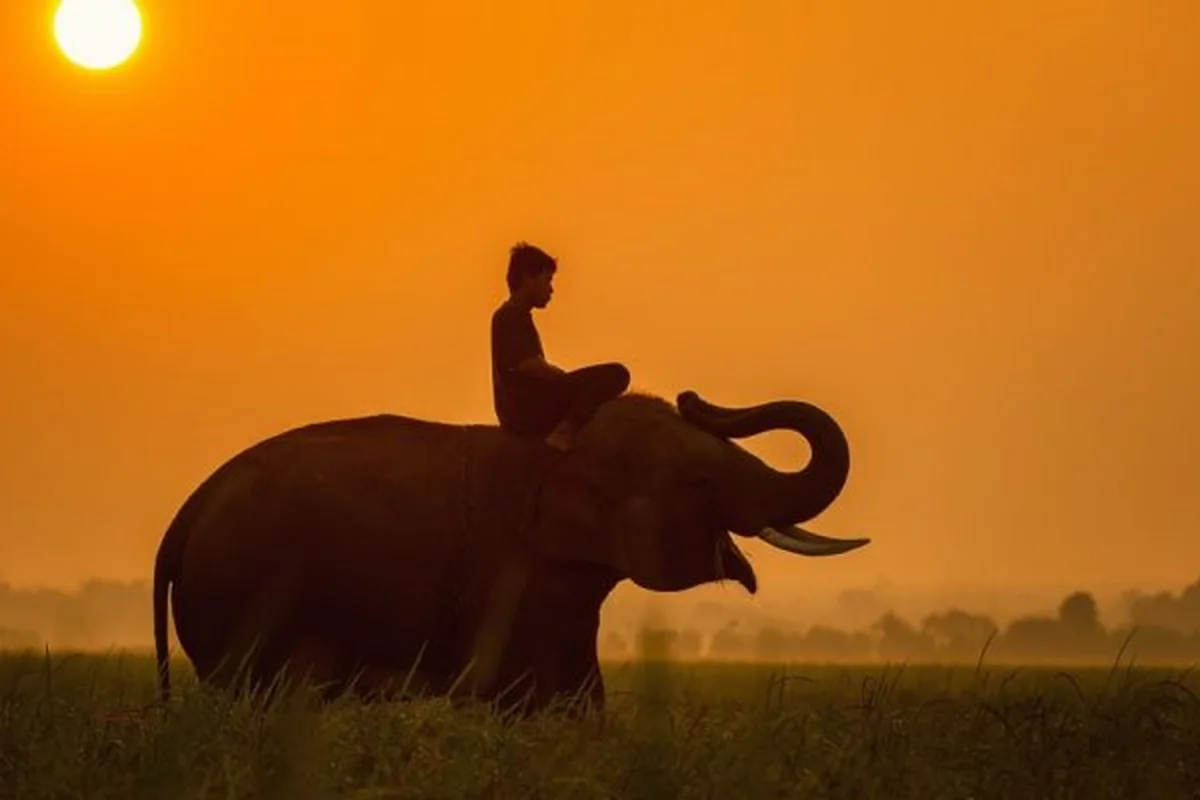
Tanzania: safari, Zanzibar and Pemba · 14 days
Two weeks connecting wildlife areas, cultural visits and the islands of Zanzibar and Pemba.
View itinerary
Egypt: a longer Nile discovery · 15 days
Fifteen days to discuss Egypt’s main archaeological sites with a Nile cruise and additional time in the cities.
View itinerary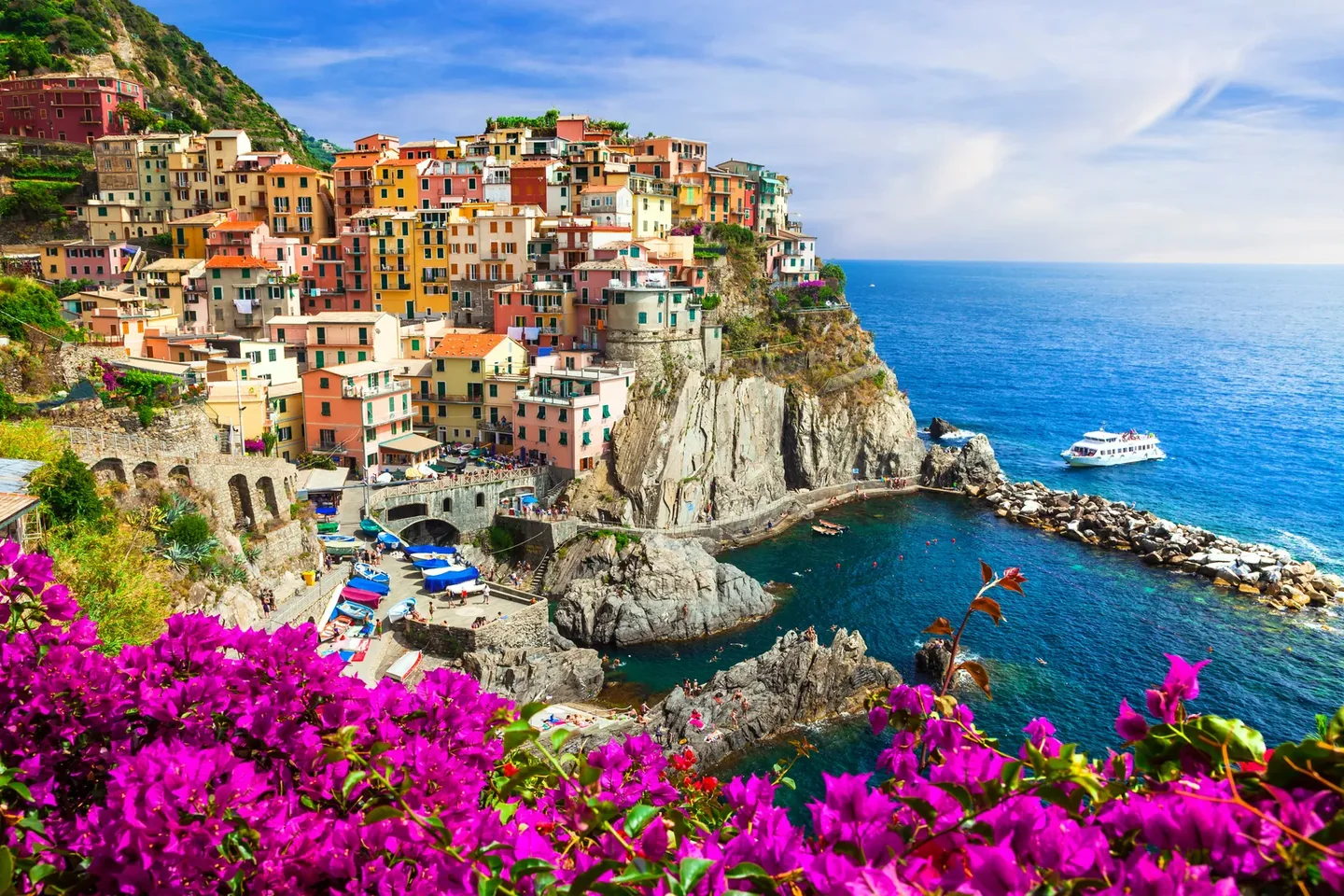
Italy: Capri, Cinque Terre and the cities · 15 days
A 15-day private Italy itinerary with city visits, art and regional food.
View itinerary
Morocco with Dades and the coast · 15 days
A 15-day private Morocco itinerary with old cities, mountain roads and Sahara time.
View itinerary
Spain: historic cities and the Balearics · 15 days
A fifteen-day outline that adds the Balearic Islands to a route through Spain’s historic cities.
View itinerary
Turkey: cities, valleys and the coast · 15 days
Fifteen days to combine Turkey’s historic cities and valleys with time on the southern coast.
View itineraryLet’s find your route
We do not have a published itinerary matching these filters. Ask our team about a private trip, or change the filters.
Private tours: a practical planning guide
This page is designed to help you find a strong starting route and adapt it to your party. Our work covers cultural trips, safaris, city journeys, mountain routes and coastal stays, but every proposal begins with your dates, group and priorities. Use this guide to identify the information that will make the first conversation clear and productive.
Start with the purpose of the journey
Before comparing routes, decide what would make the trip feel worthwhile. Some travelers want major landmarks with expert context; others prefer food, landscapes, wildlife, design or unhurried time in a small number of places. Sharing those priorities helps the planner protect what matters instead of filling every day with stops.
When you use our private tours information, note your approximate dates, number of travelers and ideal pace. Mention celebrations, mobility considerations, dietary preferences and room arrangements early. These details can change the most sensible order of a route and the type of accommodation proposed.
Compare the route, not only the highlights
A good itinerary explains how the journey connects from one place to the next. Check the number of nights in each base, the expected rhythm of transfer days and whether important visits are guided or independent. A route can include impressive names and still feel rushed if travel time has not been considered carefully.
Use private tours as a starting point rather than a fixed package. Ask which stops are essential, which can be shortened and where an extra night would improve the experience. If flights or trains are involved, confirm how their schedules affect check-in, meals and planned activities.
Understand accommodation and transport
Hotel labels alone do not explain location, atmosphere, room layout or access. Ask for the property name and room category whenever possible, and state whether walkability, quiet surroundings, a pool, family rooms or step-free access are priorities. The most suitable stay is the one that supports the way you intend to use it.
Transport should be described just as clearly. Confirm whether vehicles and transfers are private, where drivers meet you and how luggage is handled. On longer days, ask about planned breaks. For internal flights, check baggage allowances and leave enough time between separate tickets.
Check what the proposal includes
A useful quotation separates accommodation, transport, guiding, entrance tickets, meals and activities. It should also identify exclusions such as international flights, insurance, visas, optional experiences and personal spending. Comparing like with like is easier when every service is written in plain language.
Before confirming private tours, read the deposit, balance and cancellation terms. Ask what can still be adjusted and when supplier conditions become non-refundable. Keep the accepted itinerary and payment record together so everyone in the party has the same reference.
Verify current travel information
Entry rules, health advice, local conditions and operating schedules can change. Check official information for every passport in your party and verify important details again near departure. The Visit Morocco is a useful official starting point, while your airline and relevant authorities should confirm requirements for your dates.
Travel insurance should match the destinations, duration and planned activities. If the itinerary includes trekking, water activities, remote areas or valuable equipment, confirm the policy terms directly with the insurer. Planning support does not replace official advice or appropriate insurance.
Prepare the next step
To move from research to a proposal, gather your dates, arrival point, group size, preferred room arrangement and the experiences you value most. A realistic comfort or spending range can also help the team propose suitable options sooner. You do not need to have every detail decided before making contact.
Review this private tours guide, then explore destinations. Send one clear message with your priorities and questions. We can then explain the route, identify practical choices and shape the next version around your feedback.
private tours: quick answers
How should you use private tours? Begin with your dates, group size and the experiences that matter most to your party.
What should you compare in private tours? Check the route, travel time, accommodation, transport, guiding, meals and listed exclusions.
When should you review private tours? Recheck key details before paying and again before departure because schedules and requirements can change.
Can private tours be personalized? Tell the planner what you want to keep, remove or slow down before suppliers are confirmed.
What is the next step after reading private tours? Send one clear request and keep the written proposal for reference.