
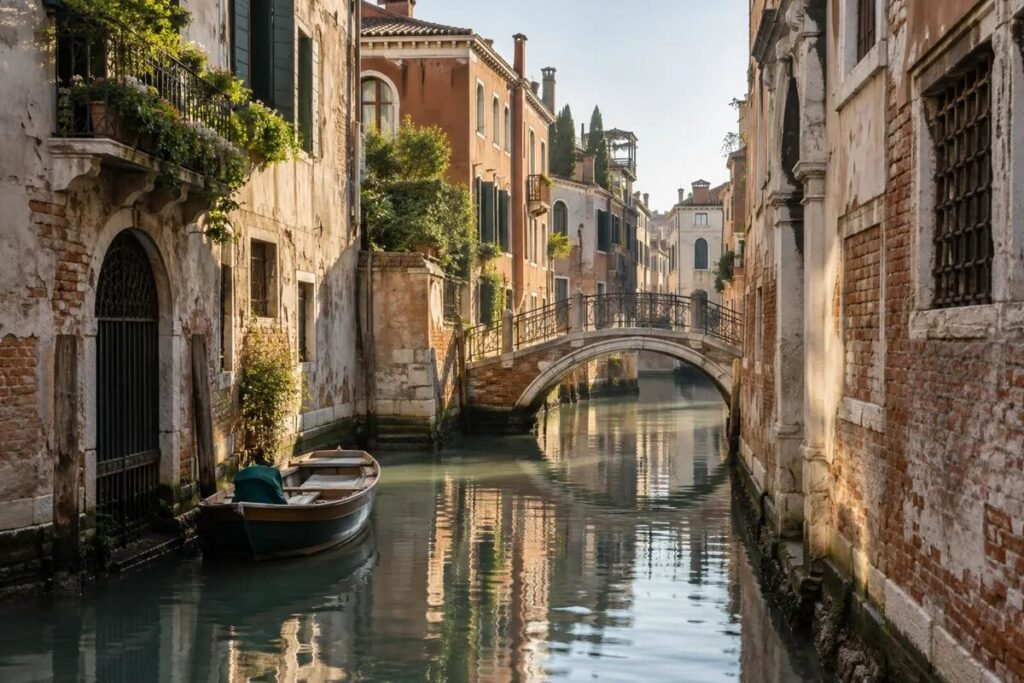
Choice 1 Tours journal
An Italy private tour through Rome, Florence and Venice is popular because the cities are distinct and connected by fast trains. The challenge is not how to include them. It is how to preserve enough time in each place while managing hotel changes, reservations and arrival days.
A well-designed route uses private services where they add value, such as airport transfers and specialist guides, while taking advantage of efficient rail links between city centers. It also leaves unstructured time for meals, neighborhoods and the discoveries that do not fit neatly into a checklist.
This guide explains the decisions that make the classic three-city journey feel considered rather than standardized.
Table of Contents
Italy private tour: planning overview
Good planning begins with dates, pace and the experiences that matter most. Use the sections below to compare routes and ask clearer questions before confirming arrangements.
Set the number of nights before choosing tours
Ten nights creates a comfortable starting point: three or four nights in Rome, three in Florence and three in Venice. Nine nights can work with careful arrival times. A shorter trip requires clear priorities.
Count nights, not city names. An evening arrival followed by an early departure provides little useful time. Check hotel checkout, station transfers and train times when measuring each stay.
Add nights for day trips rather than replacing time in the base city. Tuscany, Bologna, Verona or the lagoon islands each deserve space in the schedule.
Start where the international flight works
Rome is a natural starting point for many long-haul arrivals, but an open-jaw ticket that arrives in Rome and departs from Venice can avoid backtracking. The reverse direction works equally well.
Compare the whole journey, not just airfare. A cheaper return flight from the original city may require an extra train, hotel night and transfer.
If the arrival is early, plan a light first day. Hotel rooms may not be ready, and an ambitious museum reservation immediately after a long flight creates unnecessary pressure.
Official planning source: Check current destination information with Italia.it itinerary collection. Entry rules, opening hours and operating details can change, so verify them for your dates.
Use trains between the three cities
High-speed trains connect central stations and usually make more sense than flying. Reserve the correct date, station and fare conditions, especially when the itinerary depends on a particular departure.
Private station transfers are useful with luggage, but vehicle access can be limited in historic centers. In Venice, the final connection may involve a water taxi, vaporetto or walking route.
Pack so that each traveler can manage the luggage during boarding. Porters are not automatically available, and platform information may appear shortly before departure.
Plan Rome in geographic layers
Rome contains ancient sites, Vatican collections, churches, neighborhoods and modern city life. Divide days by area to reduce crossing the city repeatedly.
Timed entry is important at major attractions. A private guide adds context at the Roman Forum, Colosseum and Vatican Museums, but even a guided day needs breaks.
Do not fill every evening. Rome rewards a walk through a neighborhood and a meal chosen for location and appetite rather than proximity to the next reservation.
Use Florence as more than a museum stop
Florence’s major collections require advance decisions, but the city also works on foot through streets, markets, churches and viewpoints. Two full days gives a better balance than one compressed cultural marathon.
A specialist guide can connect art, patronage and the shape of the city. Choose one focused visit instead of stacking several large museums in the same day.
If Tuscany is essential, add a separate day with a clear theme: towns, wine, landscape or food. Travel time and reservation rules should be explained in the proposal.
Protect time in Venice
Venice is most rewarding early and late in the day, when day-visitor pressure is lower. Staying on the islands allows you to experience those quieter hours.
Hotel location should be judged by arrival logistics and the areas you want to explore. A short map distance may include bridges and steps, which matters with luggage or limited mobility.
Use the Italia.it itinerary collection for official inspiration, then verify museum access, transport and local rules for your dates.
Combine structure with free time
Reserve experiences that truly require a set time, then group them sensibly. Keep at least one open half-day in each city when the trip is meant to feel personal.
Read hotel room categories carefully. Historic buildings can have small lifts, varied layouts and rooms that differ even within one category. Ask about accessibility and bedding before confirming.
Our Italy destination guide gives a broad overview, while the 10-day Italy itinerary shows the classic route. Use both as references, then adjust the balance around your interests.
Frequently asked questions
How many days do I need for Rome, Florence and Venice?
Nine nights is workable, while ten or eleven nights creates a more relaxed first trip and room for one day excursion.
Should I rent a car?
Not for the three-city route. Fast trains are usually more practical. Rent a car only for a rural extension where it adds real flexibility.
Where should I spend the extra night?
Choose according to your interests: Rome for history, Florence for Tuscany and art, or Venice for a slower lagoon experience.
Plan the journey around your priorities
Send us your dates, group size and preferred pace. We can use this guide as a starting point for a clear private proposal.
Final Italy private tour planning check
Before confirming a Italy private tour, compare the day-by-day route with your arrival time, preferred pace and accommodation priorities. A clear Italy private tour proposal should identify the services that are private, the items that remain optional and the conditions attached to each reservation.
Read the Italy private tour inclusions alongside the exclusions, not as separate sales lists. Confirm transfers, guiding, entrance tickets, meals and room categories. If one part of the Italy private tour changes, ask whether it affects transport, check-in or another booked service.
Keep the accepted Italy private tour itinerary with your payment record and insurance details. Recheck official entry information and operating schedules before departure, because practical requirements can change after the first proposal is written.